

Gut Division
Info
-
Host-Microbiota Dynamics
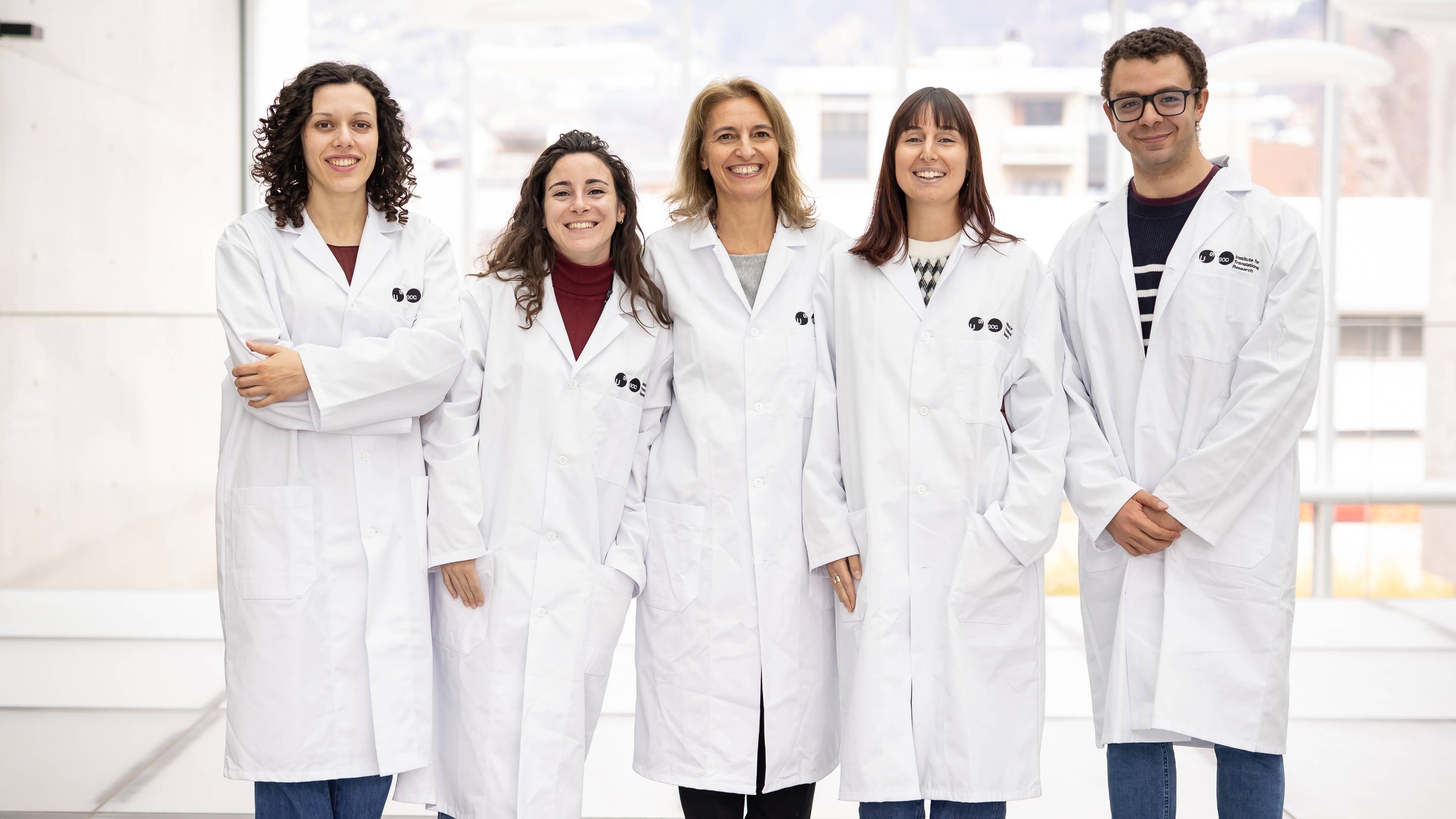
Prof Giandomenica Iezzi, MD
Principal Investigator
ORCID: 0000-0001-5841-495X
Elisa Sorrenti, PhD, Post doc
ORCID: 0000-0002-3905-647X
Martina Villa Master
Research Assistant
Federica Fenara
PhD student
Nicola Raho
visiting PhD studentResearch area and translational research
The research activity of the LHMD group focuses on the interaction between gut microbiota and immune system in gastrointestinal diseases, primarily colorectal cancer (CRC), or in systemic diseases of surgical relevance.
Starting from the analysis of the gut microbiota and the immune contexture in human samples, the LHMD group aims at:
- identifying novel biomarkers predictive of long-term response to surgical or medical treatment,
- identifying patients at high risk of recurrence who may benefit of additional therapies,
- developing novel therapeutic concepts based on gut microbiota conditioning through administration of selected probiotics or targeted antibiotics.
The gut microbiota consists of trillions of microorganisms critically shaping immune system development and immune responsiveness, through their effects on host metabolism.
In pathological conditions associated with increased gut permeability, such as cancer or inflammatory diseases, defined species of the gut microbiota translocate from the lumen into the lamina propria of the intestinal mucosa and therefore directly interact with epithelial cells and infiltrating immune cells.
Recent studies of the LHMD group in CRC have demonstrated the capacity of bacterial components of the gut microbiota to induce, upon direct contact with tumor cells, expression of chemokines recruiting into the tumor bed immune cells predictive of favorable clinical outcome. Analysis of tumor-associated microbiota in human CRC samples has led to the identification of a group of bacteria positively associated with high immune cell infiltration and prolonged patients’ survival. Immunomodulatory properties of identified bacteria and their capacity to promote antitumor effects are currently being investigated in in vitro and in vivo models.
On the other hand, defined bacterial species enriched in CRC tissues have been found to mediate pro-tumorigenic effects. In particular, Fusobacterium nucleatum, is associated with a poor response to chemotherapy and unfavorable prognosis.
In collaboration with the Oncology Department of EOC, a clinical study has recently been initiated, to evaluate the effectiveness of pre-operative antibiotic therapy with metronidazole to reduce tumor colonization by Fusobacterium nucleatum in patients with CRC undergoing surgery.
A more recent project related to obesity, aims at characterizing microbial species present in the visceral fat of obese patients and their potential association with long-lasting effectiveness of bariatric surgery.
In collaboration with the Infection Disease Unit and the Institute of Pharmacology of EOC, the LHMD group has also evaluated the impact of the gut microbiota composition on immune responses to SARS-CoV-2 in COVID patients and in healthy subjects undergoing vaccination.
Research methods
The experimental approach of the LHMD group combines ex-vivo analysis of human samples with in vitro and in vivo models.
Gut microbiome analysis is performed on freshly isolated archival tissues upon amplification and sequencing of 16S gene or, for fecal samples, shotgun metagenomics. The immune contexture is analyzed based on expression of large panels of immune cell-related genes, or, on freshly isolated samples, by large-scale flow cytometry.
Immunomodulatory properties of identified bacterial species are tested in in vitro and in vivo.
A platform for culture of bacterial species, including aerobic and anaerobic bacteria has been established within the LHMD group, in collaboration with the group of Prof. Tonolla (SUPSI).
Expanded bacteria are cultured with human or murine immune cells, isolated through well-established protocols, and immune cell activation is evaluated based on expression of activation markers, proliferation, and release of cytokines and effector molecules.
Selected bacteria are evaluated in vivo, in orthotopic CRC mouse models, based on injection of tumor cells in the cecum or rectum wall. Developing tumors display bacterial colonization as well as immune cell infiltration and are therefore amenable to evaluate immunomodulatory and pro- or anti-tumor effects of bacterial species under investigation and of potential targeted antibiotic therapies.
Recent publications
- Fusobacterium nucleatum and response to treatment in colon and rectal cancer: a systematic review. De Dosso S, Deantonio L, Iezzi G, Christoforidis D, Vannelli A, Frattini M, Garo ML. Cancer Treat Rev. 2026 Jul 7;149:103182. doi:10.1016/j.ctrv.2026.103182. PMID: 4243561
- Intratumoral microbiota and host genotype cooperatively shape neutrophil cytotoxic functions in colorectal cancer.
Sorrenti E, Governa V, Bressan D, Cremonesi E, Formaggio N, Latino I, Calì B, Torcasio C, Basso C, Galafassi J, Villa M, Stornante C, Cetti F, Calabrese D, Ercan C, Mauri F, Terzaghi L, Mele V, Poncioni E, Djordjevic J, Cianfarani A, Tonolla M, Sconocchia G, Janssen KP, Frattini M, Theurillat JP, Gonzalez SF, De Dosso S, Eppenberger-Castori S, Terracciano LM, Majno-Hurst PE, Chiacchiera F, Borsig L, Spagnoli GC, Christoforidis D, Iezzi G. Cell Host Microbe. 2026 Mar 11;34(3):425-443.e11. doi: 10.1016/j.chom.2026.02.006. PMID: 41819084 -
Combined tumor-associated microbiome and immune gene expression profiling predict response to neoadjuvant chemo-radiotherapy in locally advanced rectal cancer.
Roesel R, Strati F, Basso C, Epistolio S, Spina P, Djordjevic J, Sorrenti E, Villa M, Cianfarani A, Mongelli F, Galafassi J, Popeskou SG, Facciotti F, Caprera C, Melle F, Majno-Hurst PE, Franzetti-Pellanda A, De Dosso S, Bonfiglio F, Frattini M, Christoforidis D, Iezzi G.Oncoimmunology. 2025 Dec;14(1):2465015. doi: 10.1080/2162402X.2025.2465015. Epub 2025 Feb 24.PMID: 39992705 -
Preoperative metronidazole treatment to evaluate its efficacy in reducing Fusobacterium nucleatum colonisation in colorectal cancer patients: a proof-of-concept trial.
De Dosso S, Christoforidis D, Merlo E, Vannelli A, Popeskou S, Gaffuri P, Lollo G, Ambrosiani L, F. Radaelli F, Frattini M, Marengo M, Galetti K, Iezzi G. ESMO Gastrointestinal Oncology 2025, Volume 8, 100169. DOI: 10.1016/j.esmogo.2025.100169 -
Direct toll-like receptor triggering in colorectal cancer-associated stromal cells elicits immunostimulatory properties leading to enhanced immune cell recruitment.
Djordjevic J, Cisneros Romero NS, Cascione L, Mele V, Cremonesi E, Sorrenti E, Basso C, Villa M, Cianfarani A, Roesel R, Galafassi J, Majno-Hurst PE, Spagnoli G, Christoforidis D, Iezzi G. Gut. 2024 Aug 8:gutjnl-2023-331759. doi: 10.1136/gutjnl-2023-331759. - IL-22-mediates Cross-talk between Tumor Cells and Immune Cells Associated with Favorable Prognosis in Human Colorectal Cancer.
Droeser RA, Iezzi G. J Cell Immunol. 2021;3:118-121. - Infiltration by interleukin-22 producing T cells promotes neutrophil recruitment and predicts favorable clinical outcome in human colorectal cancer.
Tosti N, Cremonesi E, Governa V, Basso C, Kancherla V, Coto-Llerena, Amicarella F, Weixler B, Däster S, Sconocchia G, MajnoPE, Christoforidis D, Tornillo L, Luigi Terracciano L, Ng CKY, Piscuoglio S, von Flüe M, Spagnoli, G, Eppenberger-Castori S, Iezzi G*, Droeser RA*. Cancer Immunol Res, 2020, 8:1452-1462 * equal contribution - CD16-158-valine chimeric receptor T cells overcome the resistance of KRAS-mutated colorectal carcinoma cells to cetuximab.
Arriga R, Caratelli S, Lanzilli G, Ottaviani A, Cenciarelli C, Sconocchia T, Spagnoli GC, Iezzi G, Roselli M, Lauro D, Coppola A, Dotti G, Ferrone S, Sconocchia G. Int J Cancer. 2020, 146:2531-2538. - Avelumab in gastric cancer.
Roviello G, D’Angelo A, Generali D, Pittacolo M, Ganzinelli M, Iezzi G, Manzini N, Sobhani N. Immunotherapy. 2019 :759-768. - Maintenance of primary human colorectal cancer microenvironment using a perfusion bioreactor-based 3D culture system. Manfredonia C, Muraro MG, Christian Hirt C, Valentina Mele V, Governa V, Adam Papadimitropoulos A, Däster S, Soysal SD, Droeser RA, Mechera R, Oertli D, Rosso R, Martin Bolli M, ZettlA, Terracciano LM, Spagnoli GC, Martin I*,and Iezzi G (* equal contribution). Advanced Biosystems, 2019, 3: 1800300.
- A replication incompetent CD154/CD40L recombinant vaccinia virus induces direct and macrophage-mediated anti-tumor effects in vitro and in vivo.
Governa V, Brittoli A, Mele V, Pinamonti M, Terracciano L, Muenst S, Iezzi G, Spagnoli GC, Zajac P, Trella E. Oncoimmunology, 2019, 8:e1568162. - Pro-tumoral role of gut bacteria: sabotaging immune cell recruitment.
Iezzi G, Cremonesi E, Majno PE. Annals of Translational Medicine, 2019, 7:59.
Info
-
Gastroenterology
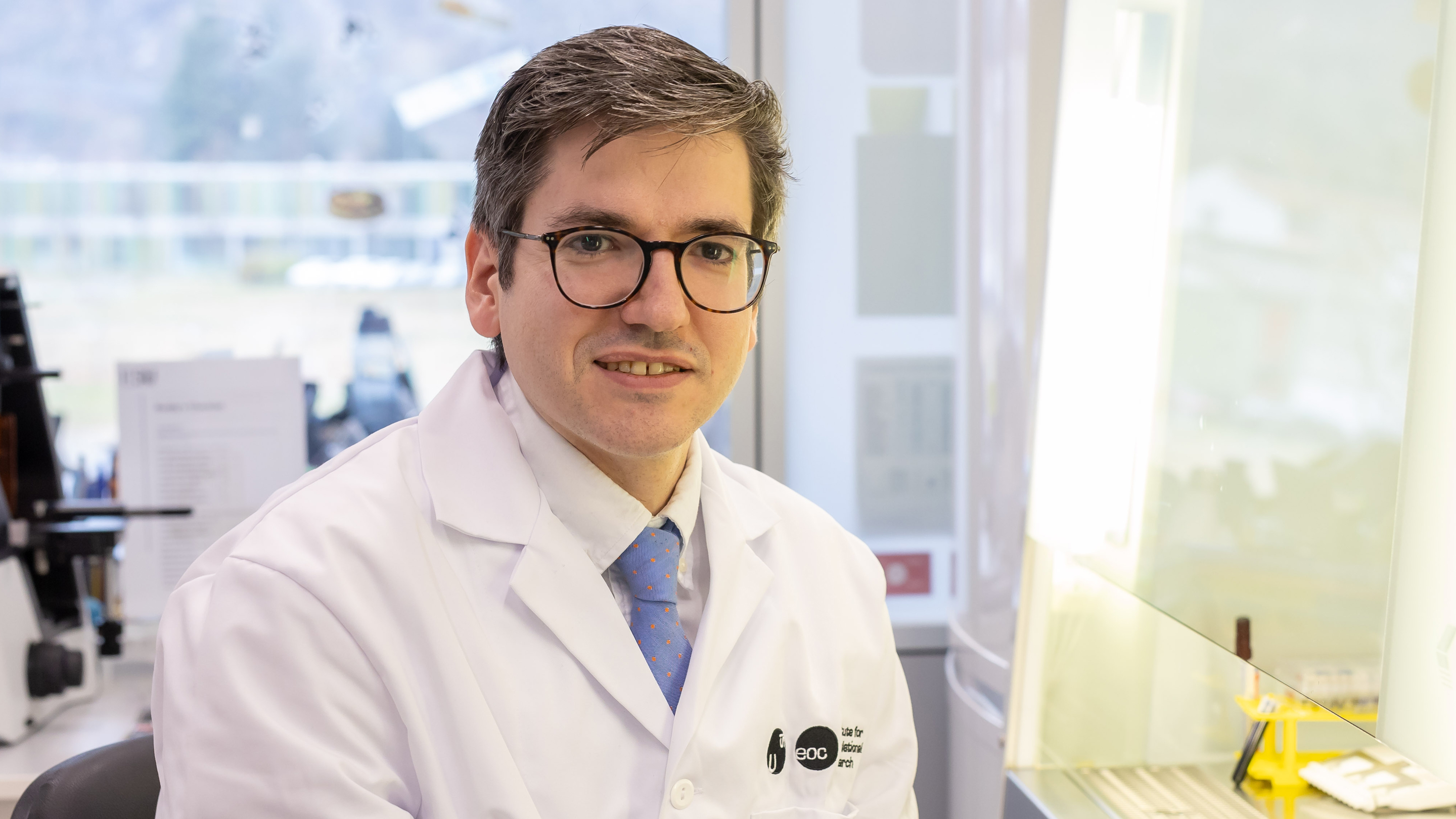
Prof Thomas Greuter, MD
Principal Investigator
ORCID: 0000-0003-2065-3925
Marcin Wawrzyniak, PhD, Post doc
ORCID: 0000-0002-3905-647X
Fabian Meichtry
Master med. student, Research AssistantResearch area
Our research focuses on pathomechanisms of eosinophilic esophagitis (EoE). EoE is a chronic food allergen mediated Th2 inflammatory disorder of the esophagus. Currently, it is estimated that 1 in 700 individuals suffers from the disease.
EoE is mainly diagnosed in young adults and presents with solid-food dysphagia. In fact, it is the most common cause of dysphagia in young adults and the second most frequent inflammation of the esophagus after reflux disease.Disease burden is high as these patients are at risk for food impactions necessitating urgent endoscopies.
In addition, undiagnosed and untreated inflammation results in disease progression over time with the formation of esophageal strictures.
Therapeutic options are still limited with many patients showing ongoing inflammation in the long-term.Mechanistically, the disease shares similarities with asthma and atopic dermatitis. Thus, elucidation of pathomechanisms will not only pave the road to new therapies for EoE, but atopic diseases in general.
Translational research
Our group is interested in the early events in EoE pathogenesis, particularly how food allergens can trigger immune responses and fibrogenesis. To achieve this, we are analyzing patient samples (esophageal biopsies) and studying cell-cell interactions in vitro.
We identified patients who demonstrate inflammation only when consuming standard milk containing mutated beta-casein protein, but tolerate milk from genetically selected cows that produce milk with the non-mutated beta-casein A2.
This beta casein specific response/tolerance is now studied in vitro using various EoE models. Thereby, we aim at identifying a tolerogenic Th2 phenotype that would not only expand our understanding of antigen-specific immune tolerance in EoE but could also establish a paradigm for tolerance induction in other allergic disorders, paving the road to therapeutic strategies aimed at reprogramming pathogenic allergen-specific Th2 responses into tolerogenic ones.
Our group further studies patients with early forms of EoE, where eosinophils are not yet present. This will help to identify disease mechanisms beyond eosinophilic infiltration, which can be targeted by drugs in the future. Our laboratory is in the unique position of combining clinical data from patients treated at the EOC and as part of the nationwide Swiss EoE cohort with in-vitro studies, putting USI and EOC at the forefront of translational EoE research worldwide.
Research methods
We have developed a comprehensive set of methods to study EoE. Patient samples (esophageal biopsies and blood samples) are analyzed using single cell and bulk RNA sequencing, spatial transcriptomics, and microbiome sequencing. In addition, we use techniques as immunostaining, FACS, ELISA, cytokine multiplex assays, Western blotting, and qPCR.
We have established several in vitro models of EoE, including primary cell cultures, air-liquid interface cultures, esophageal organoids, isolation of tissue resident cells, in vitro allergen stimulation, and an organ-on-chip model (EsoChip). On the EsoChips, we can co-culture esophageal epithelial cells with fibroblasts or endothelial cells, providing a patient-based platform that recapitulates typical EoE features.
The Esochip system will lay the ground for future in vitro studies in EoE and potentially other Th2-mediated diseases, enabling testing of multiple therapeutic candidates while reducing the need for animal experimentation.
Info
-
Hepatology
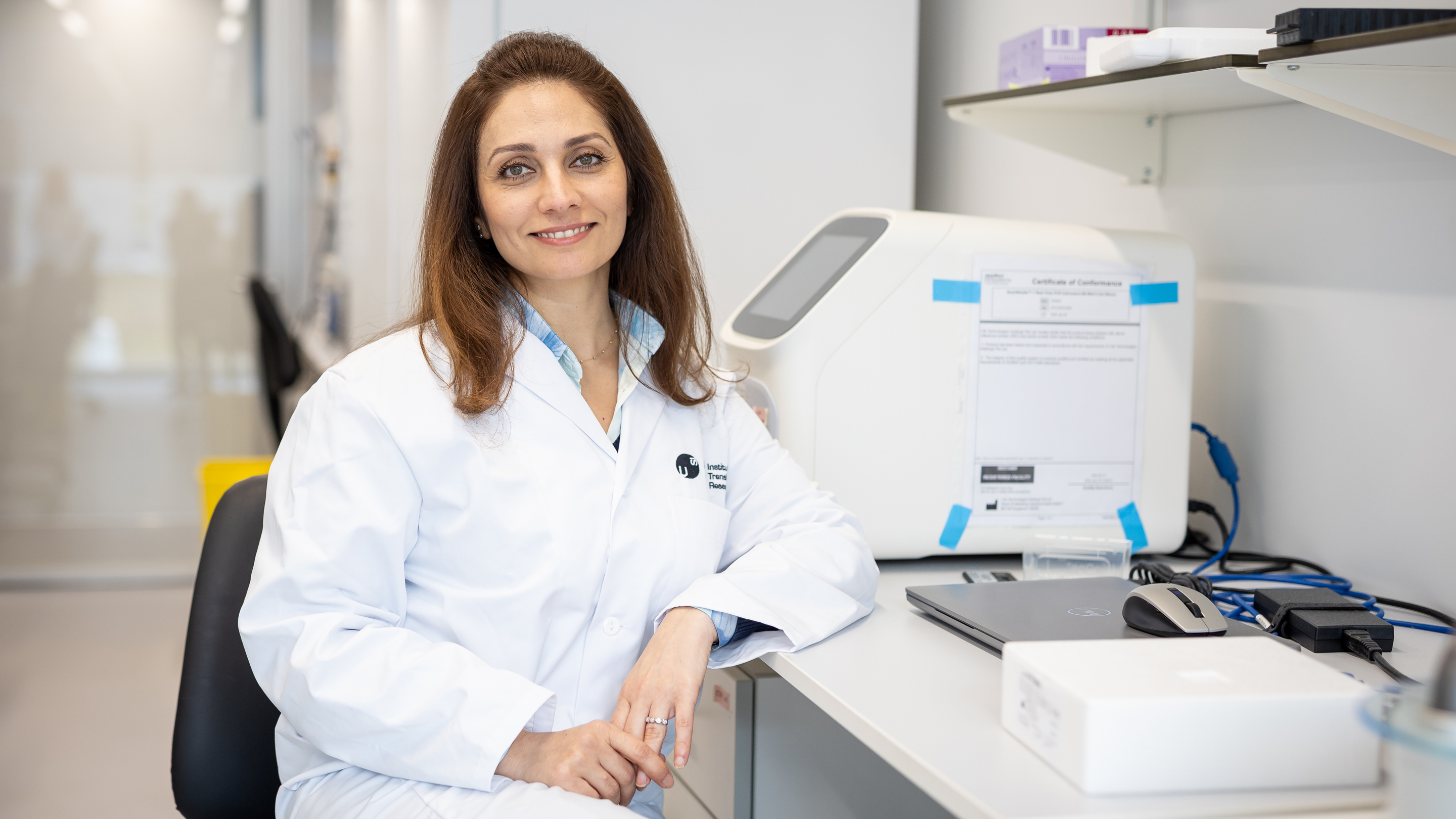
Sheida Moghadamrad, PhD
Principal Investigator
ORCID: 0000-0001-7322-4759Research area and translational research
One of the main research interests of hepatology group is the gut–liver axis. We study the fundamental principles of host–microbe interactions in the gut and how they affect liver diseases, the development of portal hypertension, and intestinal vascularisation. The gut and liver communicate bidirectionally and influence each other in both physiological and pathological conditions. This communication occurs through the portal circulation—which transports gut-derived products to the liver—and through the biliary system—which carries bile from the liver back to the intestine.
In chronic liver disease, disturbances in the gut–liver axis can lead to bacterial translocation from the intestinal lumen to lymph nodes and extra-intestinal organs, triggering immune activation and further promoting liver disease progression. The central aim of our research is to understand how the disruption of the gut mucosal and vascular barriers arises, and how this breakdown influences the course of liver diseases and the progression of chronic liver injury.
We are also interested in uncovering the mechanisms driving metabolic dysfunction–associated steatotic liver disease (MASLD). Despite extensive research, effective treatments are limited. Recently, the FDA granted conditional approval to Resmetirom based on Phase III results, and some anti-obesity agents show promising improvements, but none are yet approved specifically for MASLD. This highlights the need for a deeper understanding of MASLD pathophysiology to enable new therapeutic strategies. In this context, we aim to clarify the role of Paneth cells—specialized intestinal immune cells—in regulating lipid metabolism and lymphatic circulation. The intestinal and mesenteric lymphatic networks form the major route for dietary fat absorption, immune cell trafficking, and interstitial fluid circulation along the gut–liver axis.
We combine experimental models of acute and chronic liver disease and portal hypertension with intestinal organoids, cell cultures
Research methods
Our group has extensive expertise in multiple experimental models of chronic liver disease (cholestasis, fibrosis, cirrhosis, MAFLD and MASH) in axenic, gnotobiotic, and Paneth-cell–depleted conditions. We assess hemodynamic parameters by measuring portal pressure, mesenteric blood flow, and porto-systemic collaterals in preclinical models. To reproduce in vivo conditions in vitro, we culture and grow three-dimensional intestinal organoids “mini guts”. We also investigate vascular development and fibrotic remodeling using a range of immunohistochemical and advanced imaging techniques.
Recent publications
- Non-selective β-blockers reduce bacterial translocation by restoring gut barrier function during experimental cirrhosis. Castillo E, Felber M, Paule L, Juanola O, Wyss L, Wolfisberg T, Christensen S, Muñoz L, Miranda A, Ponce-Alonso M, de Dios O, Campo RD, Pastor O, Ortega MA, Álvarez-Mon M, Rollenske T, Moghadamrad S, de Gottardi A, Ganal-Vonarburg S, Yilmaz B, Lanza VF, Felli E, Kellmann P, Francés R, Albillos A, Wiest R. Journal of Hepatology. 2026 Jul 28: PMID: 42521089. doi: 10.1016/j.jhep.2026.07.019
- Absence of gut microbiota impairs depletion of Paneth cells but not goblet cells in germ-free Atoh1lox/lox VilCreERT2 mice.
Mohsin Hassan, Oriol Juanola, Stefania Huber, Philipp Kellmann, Jakob Zimmermann, Edoardo Lazzarini, Stephanie C Ganal-Vonarburg, Mercedes Gomez de Agüero, Sheida Moghadamrad. Am J Physiol Gastrointest Liver Physiol. 2023 Jun 1;324(6):G426-G437. doi: 10.1152/ajpgi.00123.2022. Epub 2023 Mar 21. PMID: 36942864. - Microbiome-liver crosstalk: A multihit therapeutic target for liver disease.
Jorum Kirundi, Sheida Moghadamrad, Camilla Urbaniak. World J Gastroenterol 2023 Mar 21;29(11):1651-1668. doi: 10.3748/wjg.v29.i11.1651. PMID: 37077519 PMCID: PMC10107210. - Paneth Cells Regulate Lymphangiogenesis under Control of Microbial Signals during Experimental Portal Hypertension.
Mohsin Hassan, Oriol Juanola, Irene Keller, Paolo Nanni, Witold Wolski, Sebastián Martínez-López, Esther Caparrós, Rubén Francés, Sheida Moghadamrad. Biomedicines, 2022 Jun 25;10(7):1503. doi: 10.3390/biomedicines10071503.PMID: 35884808 PMCID: PMC9313283. - Intestinal microbiota drives cholestasis-induced specific hepatic gene expression patterns.
Juanola O, Hassan M, Kumar P, Yilmaz B, Keller I, Simillion C, Engelmann C, Tacke F, Dufour JF, De Gottardi A, Moghadamrad S.Gut Microbes. 2021 Jan-Dec;13(1):1-20. doi: 10.1080/19490976.2021.1911534.PMID: 33847205 Free PMC article. - Artificial intelligence and colonoscopy experience: lessons from two randomised trials.
Repici A, Spadaccini M, Antonelli G, Correale L, Maselli R, Galtieri PA, Pellegatta G, Capogreco A, Milluzzo SM, Lollo G, Di Paolo D, Badalamenti M, Ferrara E, Fugazza A, Carrara S, Anderloni A, Rondonotti E, Amato A, De Gottardi A, Spada C, Radaelli F, Savevski V, Wallace MB, Sharma P, Rösch T, Hassan C.Gut. 2021 Jun 29:gutjnl-2021-324471. doi: 10.1136/gutjnl-2021-324471. Online ahead of print.PMID: 34187845 - Paneth cells promote angiogenesis and regulate portal hypertension in response to microbial signals.
Hassan M, Moghadamrad S, Sorribas M, Muntet SG, Kellmann P, Trentesaux C, Fraudeau M, Nanni P, Wolski W, Keller I, Hapfelmeier S, Shroyer NF, Wiest R, Romagnolo B, De Gottardi A.J Hepatol. 2020 Sep;73(3):628-639. doi: 10.1016/j.jhep.2020.03.019. Epub 2020 Mar 20.PMID: 32205193 - The gut-liver axis in liver disease: Pathophysiological basis for therapy.
Albillos A, de Gottardi A, Rescigno M.J Hepatol. 2020 Mar;72(3):558-577. doi: 10.1016/j.jhep.2019.10.003. Epub 2019 Oct 14.PMID: 31622696 Review. - Attenuated fibrosis in specific pathogen-free microbiota in experimental cholestasis- and toxin-induced liver injury.
Moghadamrad S, Hassan M, McCoy KD, Kirundi J, Kellmann P, De Gottardi A.FASEB J. 2019 Nov;33(11):12464-12476. doi: 10.1096/fj.201901113R. Epub 2019 Aug 20.PMID: 31431085 Free PMC article. - Biomedicines | Free Full-Text | Paneth Cells Regulate Lymphangiogenesis under Control of Microbial Signals during Experimental Portal Hypertension
