

Cardiology Division
Info
-
Cardiovascular Theranostics
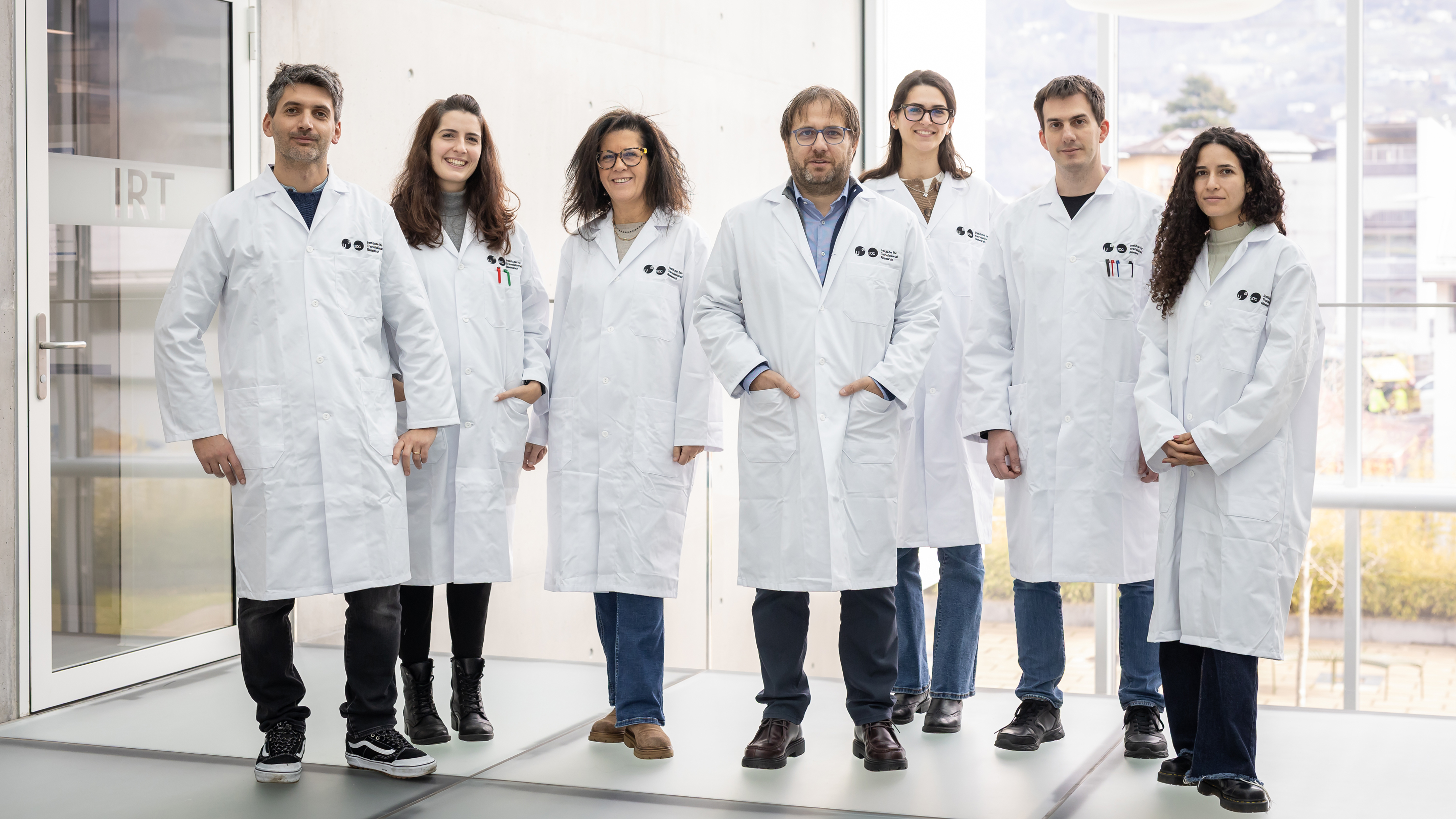
Prof Lucio Barile, PhD
Principal Investigator
ORCID: 0000-0002-5827-0439Edoardo Lazzarini, Post doc
Lab Coordinator
ORCID: 0000-0001-6369-5442Claudia Altomare, Senior Research
Cellular Electrophysiology Research Specialist
ORCID: 0000-0001-8743-9080Vanessa Biemmi, Post doc
ORCID: 0000-0002-1309-534XStefano Panella, PhD student
Flow Cytometry Research Specialist
ORCID: 0000-0003-3901-8171Azucena Rendón Ángel, PhD student
ORCID: 0000-0002-3395-6629Giorgia Senesi, PhD student
ORCID: 0009-0001-0099-9403Matilde Onesti
Lab Technician
ORCID: 0009-0003-9155-0103Sai Xiang , PhD Student
ORCID: 0000-0002-6830-0144Angelica Pagliazzi, Visiting PhD Student
ORCID: 0000-0002-9128-6264Davide Ramoni, Visiting PhD Student
ORCID: 0009-0006-8457-9911Monica Silvestri, Visiting PhD Student
ORCID: 0009-0005-7376-7979Research area and translational research
Role of Senescence in Cardiovascular Diseases
In vitro model of senescence in human cardiomyocytes: We are actively studying the role of senescence in cardiovascular diseases. In particular, we have developed an in vitro model of premature senescence in human cardiomyocytes (functional cardiac cells) using Induced Pluripotent Stem Cell (iPS) technology. This model provides a unique platform for investigating the cellular mechanisms underlying senescence-associated cardiac disease in humans.
We also investigate the role of senescence in vivo using animal models of myocardial infarction and anticancer drug–induced cardiotoxicity. Both conditions promote fibrotic remodeling and lead to the accumulation of senescent cells, which secrete bioactive factors capable of disrupting cardiomyocyte function. These senescence-associated alterations may exacerbate post-ischemic necrosis, impair tissue repair, and increase susceptibility to arrhythmias. Our goal is to explore potential senolytic and senostatic strategies to mitigate senescence-associated cardiac damage and improve overall cardiac outcomes.
Exosomes and Extracellular Vesicles as Liquid Biopsy
Extracellular Vesicles as Biomarkers.
We have recently completed a series of studies focused on the molecular characterisation of extracellular vesicles (EVs) isolated from human biofluids. We profiled surface proteins and membrane lipids from plasma- and serum-derived EVs, establishing a standardised EV-based diagnostic workflow in our laboratory. This platform has been evaluated as a diagnostic tool for acute cardiac rejection following heart transplantation, enabling discrimination among different types of rejection and supporting prognostic assessment of rejection severity. We also investigated the lipid composition of circulating EVs and demonstrated their diagnostic value following myocardial ischemia. More recently, we applied EV profiling to identify prognostic markers capable of predicting disease severity in COVID-19 patients.
Role of EVs as Mediators of Inflammation.
Our laboratory has made significant progress in elucidating the role of circulating EVs in the inflammatory response triggered by acute myocardial ischemia. We demonstrated that EVs released by polarized macrophages and enriched in inflammatory cytokines such as IL-1α and IL-1β exert direct cytotoxic effects on cardiomyocytes, highlighting their active role in mediating myocardial injury.
Research methods
The LCT lab has set up a laboratory for experimental cardiology including in-vitro, ex-vivo and in-vivo methods: In-vitro we standardised specific cell culture protocols for isolation of primary cardiomyocytes from murine and rat hearts. We have established the technology of human induced pluripotent stem cells (iPS) to derive and culture in vitro cardiomyocytes to be used as “human-based” platform for modelling cardiac diseases. We are able to isolate and characterise EV from conditioned medium of in vitro cultured cells and from biological fluids.
In this field, we use various cutting-edge techniques including size-exclusion chromatography, density gradient, immunoaffinity etc. Ex-vivo, we have standardized method for culture of heart in a Langendorff system for functional evaluation of heart function in an “ectopic” setup.
In-vivo, we are able to perform model of myocardial infarction with permanent ligation of coronary as well as model of ischemia reperfusion. We have setup a model of cardiotoxicity induced by anti-cancer drugs using subacute injection of doxorubicin.
Recent publications
- Extracellular vesicles from long COVID patients promote RUNX2-mediated cellular stress via dysregulated miR-204 and p53 pathway activation.Dalle Carbonare L, Minoia A, Zouari S, Braggio M, Cominacini M, Gaglio SC, Piritore FC, Lorenzi P, Meneghel M, Dervishi K, Corsi A, Pedrinolla A, Giuriato G, Fiore A, Celesia A, Guerricchio L, Venturelli M, Schena F, Donadelli M, Mottes M, Romanelli MG, Perduca M, Guardavaccaro D, Crisafulli E, Zipeto D, Barile L, Valenti MT.Cell Commun Signal. 2025 Nov 26;23(1):508. doi: 10.1186/s12964-025-02502-7.PMID: 41299665
- Effects of Dietary Sodium Modulation on Circulating Extracellular Vesicles.Burrello J, Buffolo F, Honzel B, Tsai LC, Tetti M, Burrello A, Di Silvestre D, Mauri P, Capuzzo V, Bruno S, Barile L, Mulatero P, Vaidya A, Monticone S.Hypertension. 2025 Dec;82(12):2197-2207. doi: 10.1161/HYPERTENSIONAHA.125.25101. Epub 2025 Oct 23.PMID: 41127906
- Extracellular vesicle signature is associated with cardio-metabolic improvement after bariatric surgery.Burrello J, Gonzalez Melo M, Taheri A, Nagler M, Airale L, Burrello A, Goi J, Kraljević M, Tarik D, Dietrich E, Koestler T, Mattiello D, Zingg U, Lutz TA, Barile L, Osto E.Eur J Prev Cardiol. 2025 Sep 5:zwaf561. doi: 10.1093/eurjpc/zwaf561. Online ahead of print.PMID: 40911403
- Machine learning-assisted assessment of extracellular vesicles can monitor cellular rejection after heart transplant.Burrello J, Panella S, Barison I, Castellani C, Burrello A, Airale L, Goi J, Dusi V, Frigerio R, Gerosa G, Tessari C, Pradegan N, Toscano G, Pedrazzini G, Corianò M, Tona F, Bolis S, Gori A, Cretich M, Fedrigo M, Angelini A, Barile L.Commun Med (Lond). 2025 Jul 11;5(1):288. doi: 10.1038/s43856-025-00999-0.PMID: 40640467
- Mitochondrial DNA released by senescent tumor cells enhances PMN-MDSC-driven immunosuppression through the cGAS-STING pathway.Lai P, Liu L, Bancaro N, Troiani M, Calì B, Li Y, Chen J, Singh PK, Arzola RA, Attanasio G, Pernigoni N, Pasquini E, Mosole S, Rinaldi A, Sgrignani J, Qiu S, Song P, Li Y, Desbats MA, Ángel AR, Mestre RP, Cavalli A, Barile L, de Bono J, Alimonti A.Immunity. 2025 Apr 8;58(4):811-825.e7. doi: 10.1016/j.immuni.2025.03.005.PMID: 40203808
- Unveiling the role of tyrosine kinases in doxorubicin-induced cardiotoxicity and beyond.Lazzarini E, Altomare C, Barile L.Cardiovasc Res. 2025 May 6;121(4):530-531. doi: 10.1093/cvr/cvaf035.PMID: 40079496 No abstract available.
- miR-24-3p secreted as extracellular vesicle cargo by cardiomyocytes inhibits fibrosis in human cardiac microtissues.Senesi G, Lodrini AM, Mohammed S, Mosole S, Hjortnaes J, Veltrop RJA, Kubat B, Ceresa D, Bolis S, Raimondi A, Torre T, Malatesta P, Goumans MJ, Paneni F, Camici GG, Barile L, Balbi C, Vassalli G.Cardiovasc Res. 2025 Apr 15;121(1):143-156. doi: 10.1093/cvr/cvae243.PMID: 39527589
- Phosphoenolpyruvate carboxykinase 1-mediated cataplerosis is required to maintain mitochondrial fitness and to avoid kidney disease progression.Dalga D, Rinaldi A, Fu X, Chanvillard L, Huber A, Faivre A, Jaques D, Berchtold L, Boccard J, Arnoux G, Lyon A, Rutkowski JM, Gex Q, Paolucci D, Kreuzfeld M, Cagarelli T, Lutz L, Longchamp A, Moll S, Hulo N, Ponte B, Burgess SC, Cippà PE, Verissimo T, de Seigneux S.Kidney Int. 2025 Nov;108(5):827-847. doi: 10.1016/j.kint.2025.06.018. Epub 2025 Jul 10.PMID: 40645291
- Protocol for interpretable and context-specific single-cell-informed deconvolution of bulk RNA-seq data. Malpetti D, Mangili F, Bolis M, Rinaldi A, Legouis D, Ruinelli L, Cippà P, Azzimonti L.STAR Protoc. 2025 Mar 21;6(1):103670. doi: 10.1016/j.xpro.2025.103670. Epub 2025 Mar 4.PMID: 40042970
- Active immunologic participation and metabolic shutdown of kidney structural cells during kidney transplant rejection. Van Loon E, Lamarthée B, Callemeyn J, Farhat I, Koshy P, Anglicheau D, Cippà P, Franken A, Gwinner W, Kuypers D, Marquet P, Rinaldi A, Tinel C, Van Brussel T, Van Craenenbroeck A, Varin A, Vaulet T, Lambrechts D, Naesens M.Am J Transplant. 2025 Mar;25(3):531-544. doi: 10.1016/j.ajt.2024.10.015. Epub 2024 Oct 24.PMID: 39461479
- Age- and sex-related variations in extracellular vesicle profiling for the assessment of cardiovascular risk: the EVaging index. Burrello J, Goi J, Burrello A, Vacchi E, Rendon-Angel A, Lazzarini E, Bianco G, Limongelli V, Vassalli G, Cereda CW, Monticone S, Mulatero P, Bussolati B, Alimonti A, Camici GG, Melli G, Osto E, Pedrazzini G, Barile L. NPJ Aging (Report missing IFs). 2024 Dec 19;10(1):63. doi: 10.1038/s41514-024-00189-7.
- miR-24-3p secreted as extracellular vesicle cargo by cardiomyocytes inhibits fibrosis in human cardiac microtissues. Senesi G, Lodrini AM, Mohammed S, Mosole S, Hjortnaes J, Veltrop RJA, Kubat B, Ceresa D, Bolis S, Raimondi A, Torre T, Malatesta P, Goumans MJ, Paneni F, Camici GG, Barile L, Balbi C, Vassalli G. Cardiovasc Res (IF: 10.79; Q1). 2024 Nov 11:cvae243. doi: 10.1093/cvr/cvae243. Online ahead of print.
- Targeting senescence induced by age or chemotherapy with a polyphenol-rich natural extract improves longevity and healthspan in mice Zumerle S, Sarill M, Saponaro M, Colucci M, Contu L, Lazzarini E, Sartori R, Pezzini C, Rinaldi A, Scanu A, Sgrignani J, Locatelli P, Sabbadin M, Valdata A, Brina D, Giacomini I, Rizzo B, Pierantoni A, Sharifi S, Bressan S, Altomare C, Goshovska Y, Giraudo C, Luisetto R, Iaccarino L, Torcasio C, Mosole S, Pasquini E, Rinaldi A, Pellegrini L, Peron G, Fassan M, Masiero S, Giori AM, Dall’Acqua S, Auwerx J, Cippà P, Cavalli A, Bolis M, Sandri M, Barile L, Montopoli M, Alimonti A. Nat Aging . 2024 Sep;4(9):1231-1248.
- Extracellular vesicles from II trimester human amniotic fluid as paracrine conveyors counteracting oxidative stress. Senesi G, Guerricchio L, Ghelardoni M, Bertola N, Rebellato S, Grinovero N, Bartolucci M, Costa A, Raimondi A, Grange C, Bolis S, Massa V, Paladini D, Coviello D, Pandolfi A, Bussolati B, Petretto A, Fazio G, Ravera S, Barile L, Balbi C, Bollini S. Redox Biol . 2024 Sep;75:103241. doi: 10.1016/j.redox.2024.103241
- Addressing Heterogeneity in Direct Analysis of Extracellular Vesicles and Their Analogs by Membrane Sensing Peptides as Pan-Vesicular Affinity Probes. Gori A, Frigerio R, Gagni P, Burrello J, Panella S, Raimondi A, Bergamaschi G, Lodigiani G, Romano M, Zendrini A, Radeghieri A, Barile L, Cretich M.Adv Sci (Weinh) . 2024 Aug;11(29):e2400533.
- Injury minimization after myocardial infarction: focus on extracellular vesicles. Barile L, Marbán E.Eur Heart J . 2024 May 13;45(18):1602-1609
- Intracoronary delivery of extracellular vesicles from human cardiac progenitor cells reduces infarct size in porcine acute myocardial infarction. Emmert MY, Burrello J, Wolint P, Hilbe M, Andriolo G, Balbi C, Provasi E, Turchetto L, Radrizzani M, Nazari-Shafti TZ, Cesarovic N, Neuber S, Falk V, Hoerstrup SP, Hemetsberger R, Gyöngyösi M, Barile L, Vassalli G. Eur Heart J . 2024 Mar 1;45(9):728-732.
- Methodologies for Scalable Production of High-Quality Purified Small Extracellular Vesicles from Conditioned Medium. Andriolo G, Provasi E, Brambilla A, Panella S, Soncin S, Cicero VL, Radrizzani M, Turchetto L, Barile L. Methods Mol Biol . 2023;2668:69-98.
- A dynamic clamping approach using in silico IK1 current for discrimination of chamber-specific hiPSC-derived cardiomyocytes. Altomare C, Bartolucci C, Sala L, Balbi C, Burrello J, Pietrogiovanna N, Burrello A, Bolis S, Panella S, Arici M, Krause R, Rocchetti M, Severi S, Barile L. Commun Biol 2023 Mar 18;6(1):291. doi: 10.1038/s42003-023-04674-9.
- Stress-induced premature senescence is associated with a prolonged QT interval and recapitulates features of cardiac aging. Lazzarini E, Lodrini AM, Arici M, Bolis S, Vagni S, Panella S, Rendon-Angel A, Saibene M, Metallo A, Torre T, Vassalli G, Ameri P, Altomare C, Rocchetti M, Barile L. Theranostics . 2022 Jul 4;12(11):5237-5257.
- Risk stratification of patients with SARS-CoV-2 by tissue factor expression in circulating extracellular vesicles. Burrello J, Caporali E, Gauthier LG, Pianezzi E, Balbi C, Rigamonti E, Bolis S, Lazzarini E, Biemmi V, Burrello A, Frigerio R, Martinetti G, Fusi-Schmidhauser T, Vassalli G, Ferrari E, Moccetti T, Gori A, Cretich M, Melli G, Monticone S, Barile L. Vascul Pharmacol . 2022 Aug;145:106999.
- Supervised and unsupervised learning to define the cardiovascular risk of patients according to an extracellular vesicle molecular signature. Burrello J, Burrello A, Vacchi E, Bianco G, Caporali E, Amongero M, Airale L, Bolis S, Vassalli G, Cereda CW, Mulatero P, Bussolati B, Camici GG, Melli G, Monticone S, Barile L. Transl Res (. 2022 Jun;244:114-125.
- Circulating extracellular vesicles are endowed with enhanced procoagulant activity in SARS-CoV-2 infection. Balbi C, Burrello J, Bolis S, Lazzarini E, Biemmi V, Pianezzi E, Burrello A, Caporali E, Grazioli LG, Martinetti G, Fusi-Schmidhauser T, Vassalli G, Melli G, Barile L. EBioMedicine. 2021 May;67:103369. doi: 10.1016/j.ebiom.2021.103369.
- Sphingolipid composition of circulating extracellular vesicles after myocardial ischemia. Burrello J, Biemmi V, Dei Cas M, Amongero M, Bolis S, Lazzarini E, Bollini S, Vassalli G, Paroni R, Barile L. Sci Rep. 2020 Sep 30;10(1):16182. doi: 10.1038/s41598-020-73411-7.
- Circulating extracellular vesicles as non-invasive biomarker of rejection in heart transplant. Castellani C, Burrello J, Fedrigo M, Burrello A, Bolis S, Di Silvestre D, Tona F, Bottio T, Biemmi V, Toscano G, Gerosa G, Thiene G, Basso C, Longnus SL, Vassalli G, Angelini A, Barile L. J Heart Lung Transplant. 2020 Oct;39(10):1136-1148. doi: 10.1016/j.healun.2020.06.011
- Inflammatory extracellular vesicles prompt heart dysfunction via TLR4-dependent NF-κB activation. Biemmi V, Milano G, Ciullo A, Cervio E, Burrello J, Dei Cas M, Paroni R, Tallone T, Moccetti T, Pedrazzini G, Longnus S, Vassalli G, Barile L. Theranostics. 2020 Feb 3;10(6):2773-2790. doi: 10.7150/thno.39072.
- Cardioprotection by cardiac progenitor cell-secreted exosomes: role of pregnancy-associated plasma protein-A. Barile L, Cervio E, Lionetti V, Milano G, Ciullo A, Biemmi V, Bolis S, Altomare C, Matteucci M, Di Silvestre D, Brambilla F, Fertig TE, Torre T, Demertzis S, Mauri P, Moccetti T, Vassalli G. Cardiovasc Res (IF: 10.79; Q1). 2018 Jun 1;114(7):992-1005.
COMPLETE LIST OF PUBLICATION : ORCID
Info
-
Cardio-Renal Research
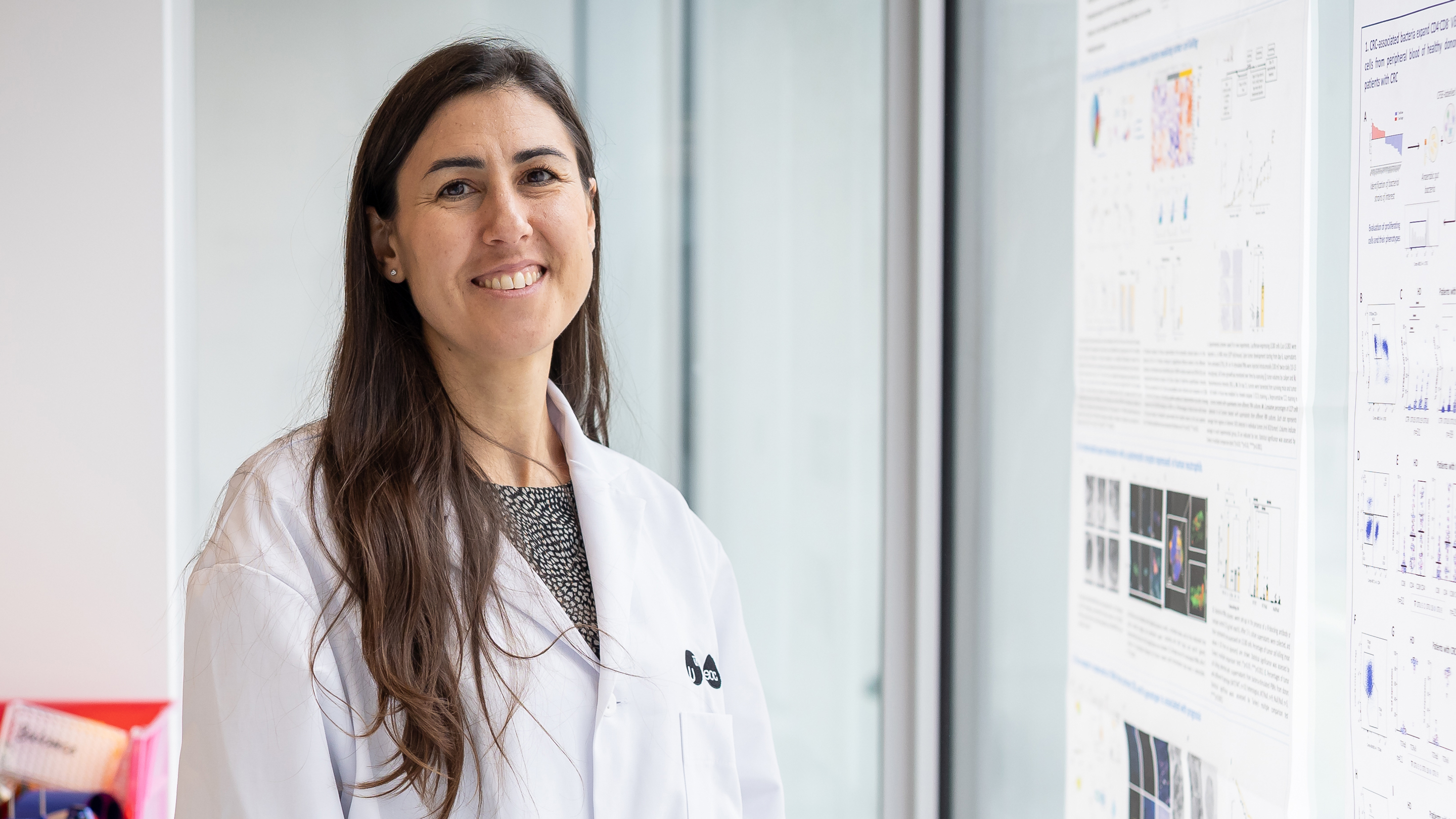
Anna Rinaldi, PhD
Project Leader
ORCID: 0000-0003-4106-8127Research area and translational research
Heart failure (HF) is a major cardiovascular complication in patients with chronic kidney disease (CKD), associated with increased mortality, frequent hospitalisations, and reduced quality of life. The strong epidemiological and clinical association between CKD and HF reflects a bidirectional, mechanistically interdependent pathology, commonly referred to as cardiorenal syndrome.
A growing body of evidence suggests that microvascular dysfunction, particularly involving endothelial cell (EC) injury, plays a central role in linking cardiac and renal decline. Ischemic injury in either organ triggers EC dysfunction—characterised by loss of barrier integrity, pro-inflammatory activation, nitric oxide depletion, and capillary rarefaction—which initiates and amplifies tissue fibrosis, and lead to organ failure. In CKD, systemic inflammation, uremic toxins, and metabolic stress compromise cardiac EC homeostasis, while in HF, reduced renal perfusion and neurohormonal activation impair renal microvascular function. These stressors drive organ-to-organ signaling, creating a vicious cycle that accelerates disease progression in both systems.
However, the molecular pathways, spatial context, and EC-intrinsic programs that mediate this cross-talk remain poorly defined. In particular, the role of endothelial plasticity, including metabolic reprogramming and niche remodeling, in shaping maladaptive versus reparative responses is not well understood.
Therefore, the project aims to provide new insights into microvascular remodeling and uncover the endothelial mechanisms that govern the transition from localized injury to systemic cardiorenal dysfunction using single-cell RNA sequencing, spatial transcriptomics, and high-resolution imaging, to map the vascular landscape in key preclinical models.
Research methods
MOUSE MODELS
Phenotypically and genetically characterized mouse models that recapitulate the transition from AKI to CKD and aging, closely mimicking clinical conditions. Transgenic mouse lines can be integrated into our experimental strategy to perform functional validation of the identified targets.TRANSLATIONAL MODELS
Selected, clinically well-characterized patient cohorts with specific features that enable the study of cellular processes involved in disease progression.SINGLE-CELL TRANSCRIPTOMICS AND DATA ANALYIS
Single-nucleus RNA sequencing using Drop-seq–based technology (10x Genomics) to analyze frozen samples obtained from mouse models and renal patient biopsies. We are currently developing expertise in spatial transcriptomics and multiplex spatial imaging.Recent publications
- Spatiotemporal Landscape of Kidney Tubular Responses to Glomerular Proteinuria.
Faivre A, Bugarski M, Rinaldi A, Sakhi IB, Verissimo T, Legouis D, et al. J Am Soc Nephrol. 2024;35(7):854-69. - A transfer learning framework to elucidate the clinical relevance of altered proximal tubule cell states in kidney disease. Legouis D, Rinaldi A, Malpetti D, Arnoux G, Verissimo T, Faivre A, et al. iScience. 2024;27(3):109271.
- SOX9 switch links regeneration to fibrosis at the single-cell level in mammalian kidneys.
Aggarwal S, Wang Z, Rincon Fernandez Pacheco D, Rinaldi A, Rajewski A, Callemeyn J, et al. Science. 2024;383(6685):eadd6371. - Taurine Deficiency Is a Hallmark of Injured Kidney Allografts.
Rinaldi A, Cippa PE, Nemazanyy I, Anglicheau D, Pallet N. Transplantation. 2024;108(9):e218-e28. - Targeting senescence induced by age or chemotherapy with a polyphenol-rich natural extract improves longevity and healthspan in mice.
Zumerle S, Sarill M, Saponaro M, Colucci M, Contu L, Lazzarini E, et al. Nat Aging. 2024;4(9):1231-48. - Impaired fatty acid metabolism perpetuates lipotoxicity along the transition to chronic kidney injury.
Rinaldi A, Lazareth H, Poindessous V, Nemazanyy I, Sampaio JL, Malpetti D, et al. JCI Insight. 2022;7(18). - Cell stress response impairs de novo NAD+ biosynthesis in the kidney.
Bignon Y, Rinaldi A, Nadour Z, Poindessous V, Nemazanyy I, Lenoir O, et al. JCI Insight. 2022;7(1). - Decreased Renal Gluconeogenesis Is a Hallmark of Chronic Kidney Disease.
Verissimo T, Faivre A, Rinaldi A, Lindenmeyer M, Delitsikou V, Veyrat-Durebex C, et al. J Am Soc Nephrol. 2022;33(4):810-27. - Single-cell transcriptomics identifies Mcl-1 as a target for senolytic therapy in cancer.
Troiani M, Colucci M, D’Ambrosio M, Guccini I, Pasquini E, Varesi A, et al. Nat Commun. 2022;13(1):2177. - Single-nuclear transcriptomics reveals diversity of proximal tubule cell states in a dynamic response to acute kidney injury.
Gerhardt LMS, Liu J., Koppitch K, Cippà PE, and McMahon AP. Proc Natl Acad Sci USA.2021;118(27) - A data-driven approach to identify risk profiles and protective drugs in COVID-19.
Cippà PE,* Cugnata F,* Ferrari P, Brombin C, Ruinelli L, Bianchi G, Beria N, Schulz L, Bernasconi E, Merlani P, Ceschi A, Di Serio C. Proc Natl Acad Sci USA. 2021;118(1) - Altered proximal tubular cell glucose metabolism during acute kidney injury is associated with mortality.
Legouis D, Ricksten SE, Faivre A, Verissimo T, Gariani K, Verney C, Gallichon P, Berchtold L, Feraille E, Fernandez M, Placier S, Koppitch K, Hertig A, Martin PY, Naesens M, Pugin J, McMahon AP, Cippà PE*, De Seigneux S*. Nat Metabol. 2020; 2(8) - A late B lymphocyte action in dysfunctional tissue repair following kidney injury and transplantation.
Cippà PE, Liu J, Sun B, Kumar S, Naesens M, McMahon AP. Nature Communications 2019;1157(10) - Transcriptional trajectories of human kidney injury progression.
Cippà PE, Sun B, Liu J, Chen L, Naesens M, McMahon AP. JCI Insight. 2018;3(22).
- Spatiotemporal Landscape of Kidney Tubular Responses to Glomerular Proteinuria.
